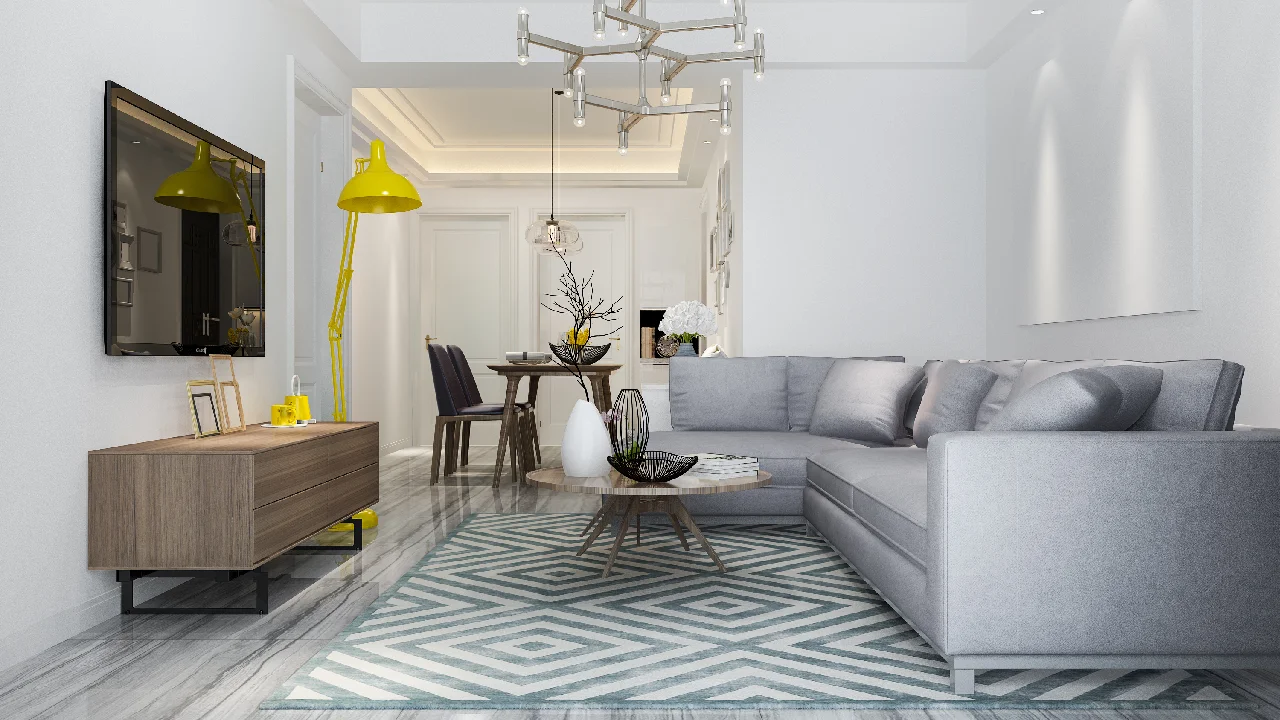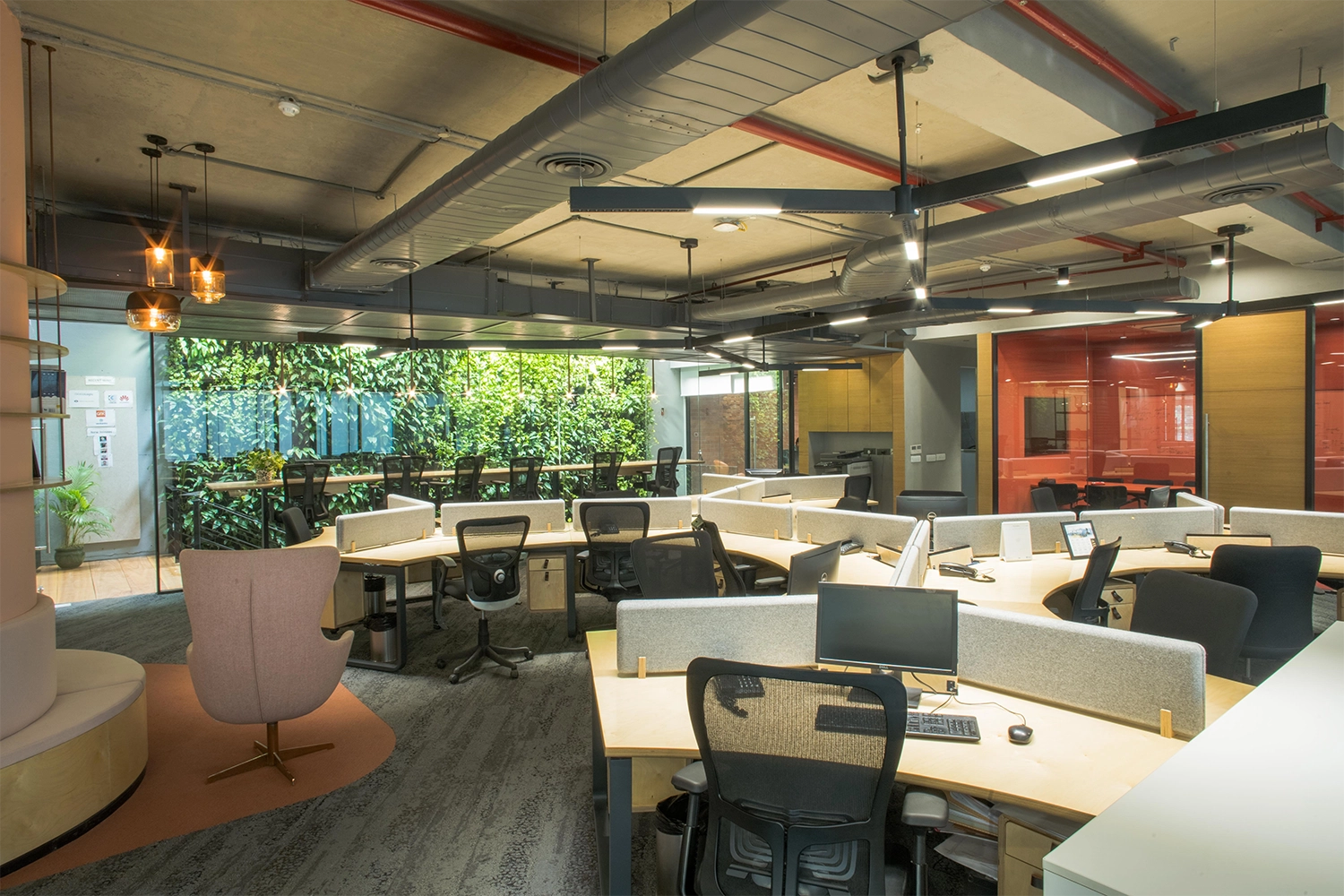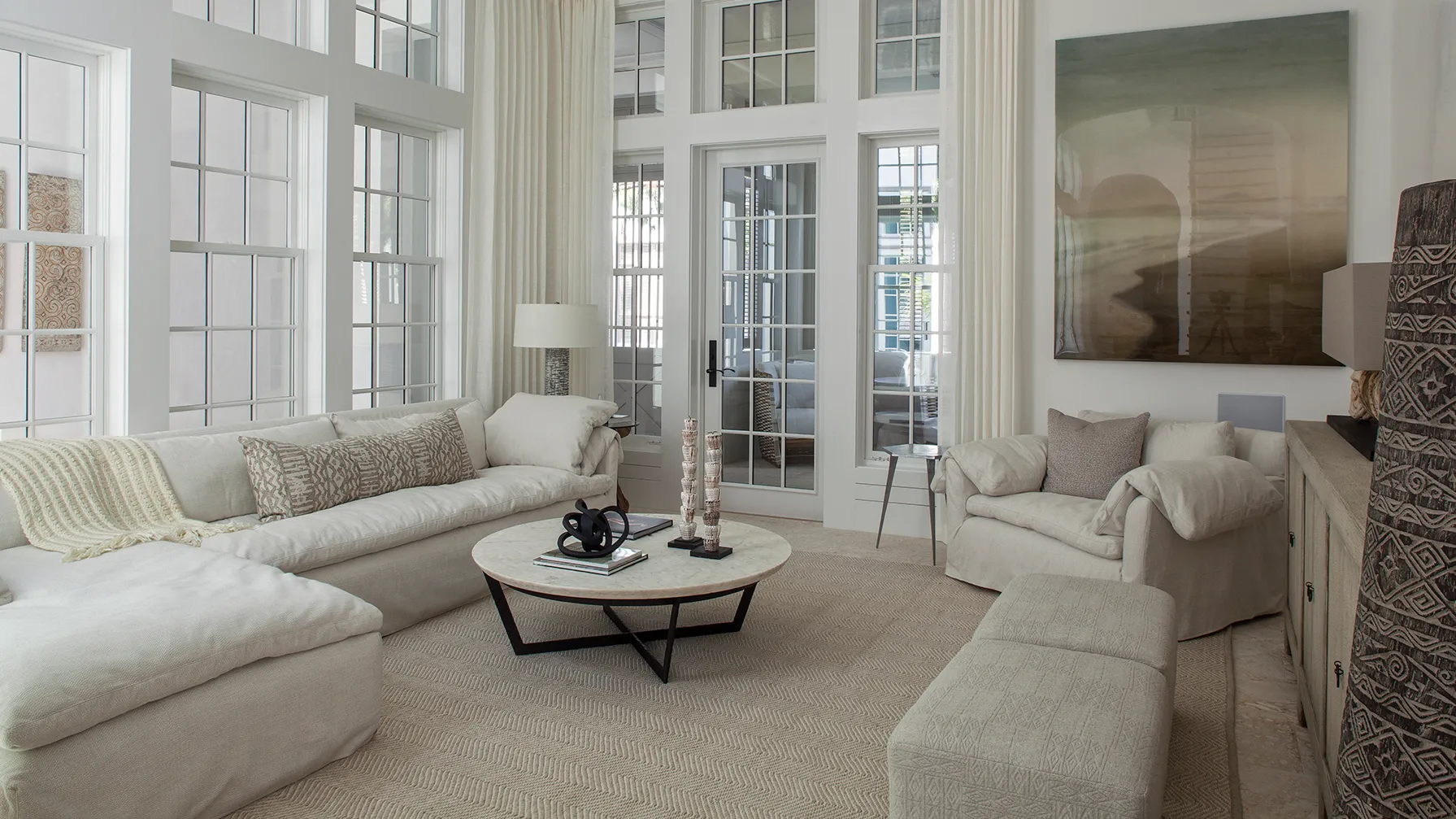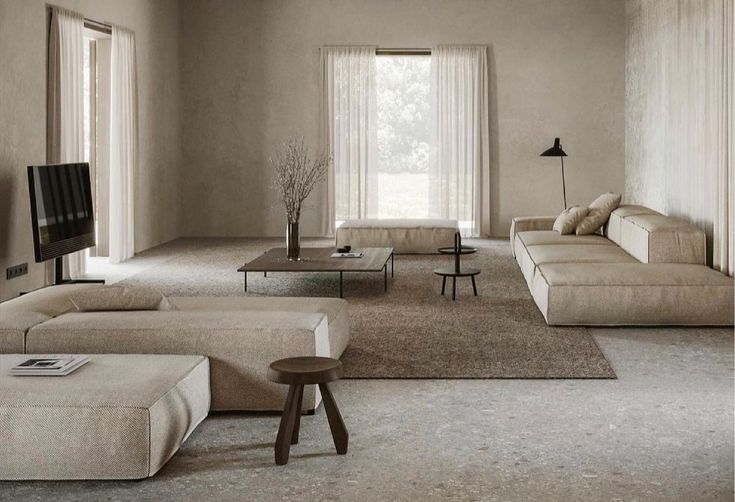
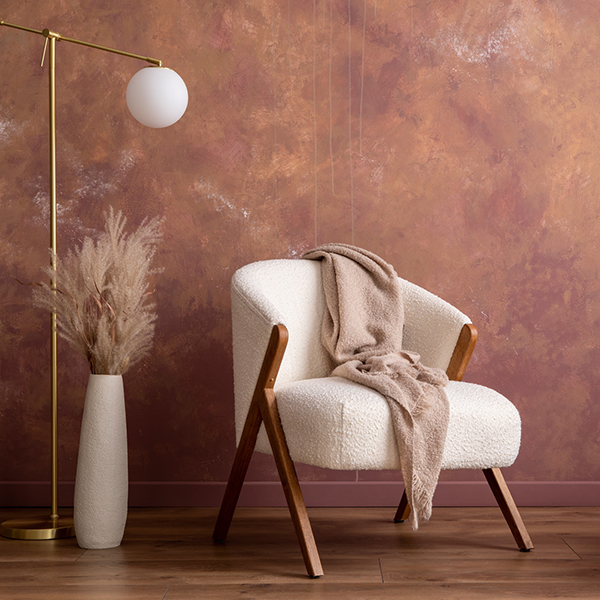
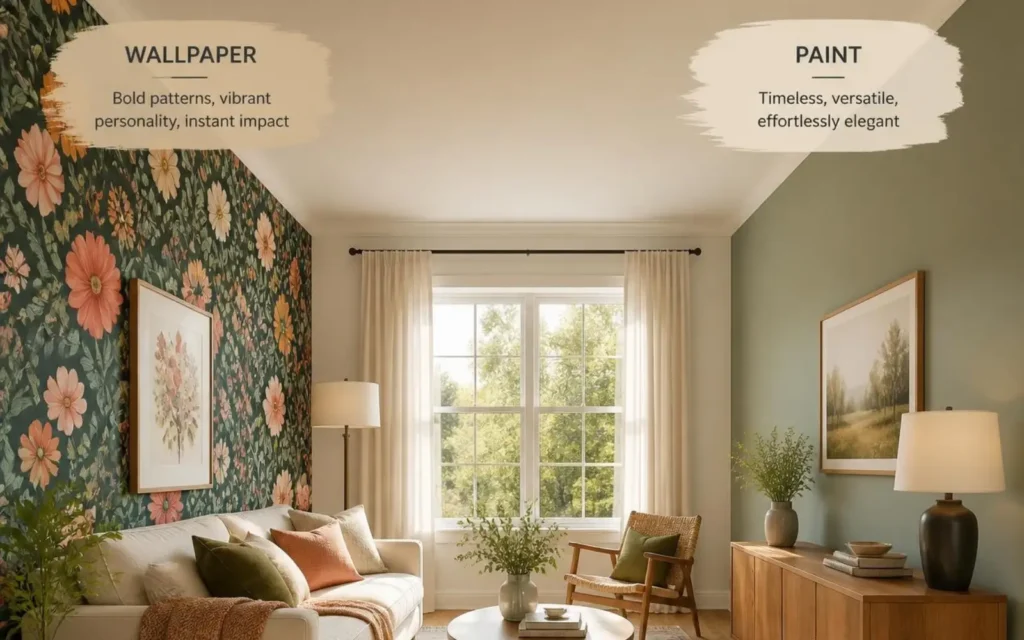
When you plan to change the look of your home, walls are usually one of the first things you think about. A fresh coat of paint can make a room feel new. But if you want something different, room wallpaper gives you many more ways to play with patterns, textures and colours.
Let’s look at both options in a little more detail.
Room wallpaper is a type of wall decoration that is attached to a prepared wall surface. It is available in rolls or panels and is installed using the method recommended for that particular material.
The biggest difference between wallpaper and paint is the design freedom. Paint mainly changes the colour of the wall. Wallpaper can change its colour, pattern and texture at the same time.
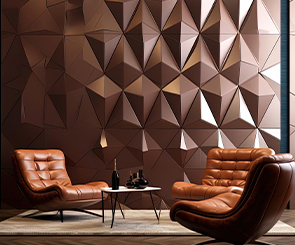
For example, you can find wallpaper that looks like wood, stone, fabric or other natural materials. There are also floral prints, geometric patterns and simple textured designs.
You don’t have to use it on every wall. A single wallpapered wall behind the bed or sofa can be enough to give the room a new look.
Both wallpaper and paint have their own advantages. The better choice depends on what you expect from your walls.
Room wallpaper is worth considering when you want more design options. It can:
Paint is a more straightforward option. It is easy to find, easy to change and comes in a huge range of shades. If you get tired of one colour, you can simply repaint the wall.
Paint also makes sense when you want a simple background for furniture, artwork or other décor.
As we see, wallpaper focuses more on design, while paint puts more emphasis on simplicity and flexibility. However, both can work well when they are chosen according to the room.
| Feature | Room Wallpaper | Paint |
|---|---|---|
| Design | Patterns, textures, prints and finishes | Mainly colour |
| Look | Can add depth and detail | Clean and simple |
| Maintenance | Depends on the wallpaper material | Usually easy to touch up |
| Durability | Depends on material and installation | Depends on paint and wall condition |
| Feature walls | Very suitable | Also suitable |
| Changing the look | Usually requires new wallpaper | Can be repainted |
This is one of the questions people ask most often. But it is difficult to say that wallpaper or paint is always more durable.
A good room wallpaper can last for years if it is installed properly and used in the right room. However, moisture, sunlight and regular contact can affect some types of wallpaper.
Paint is also durable. But the paint quality and proper wall preparation are decisive here. In areas such as passageways and living rooms, walls can pick up marks and scratches over time. A painted wall can usually be touched up quite easily.
So, instead of asking which material lasts longer, it is better to ask which material is suitable for your particular room.
Paint has a clear advantage when it comes to small repairs. If one section of the wall gets marked, you can often clean it or repaint that area.
Wallpaper needs a little more care. Some types of wallpaper allow cleaning the wall surface, while others cannot be cleaned in the same way. This depends on the material and finish.
For this reason, always check the care instructions before cleaning wallpaper. It is also a good idea to choose the wallpaper according to where you plan to use it.
A bedroom, for example, has very different maintenance needs from a busy hallway.
The best material for decorating the wall highly depends on the room type.
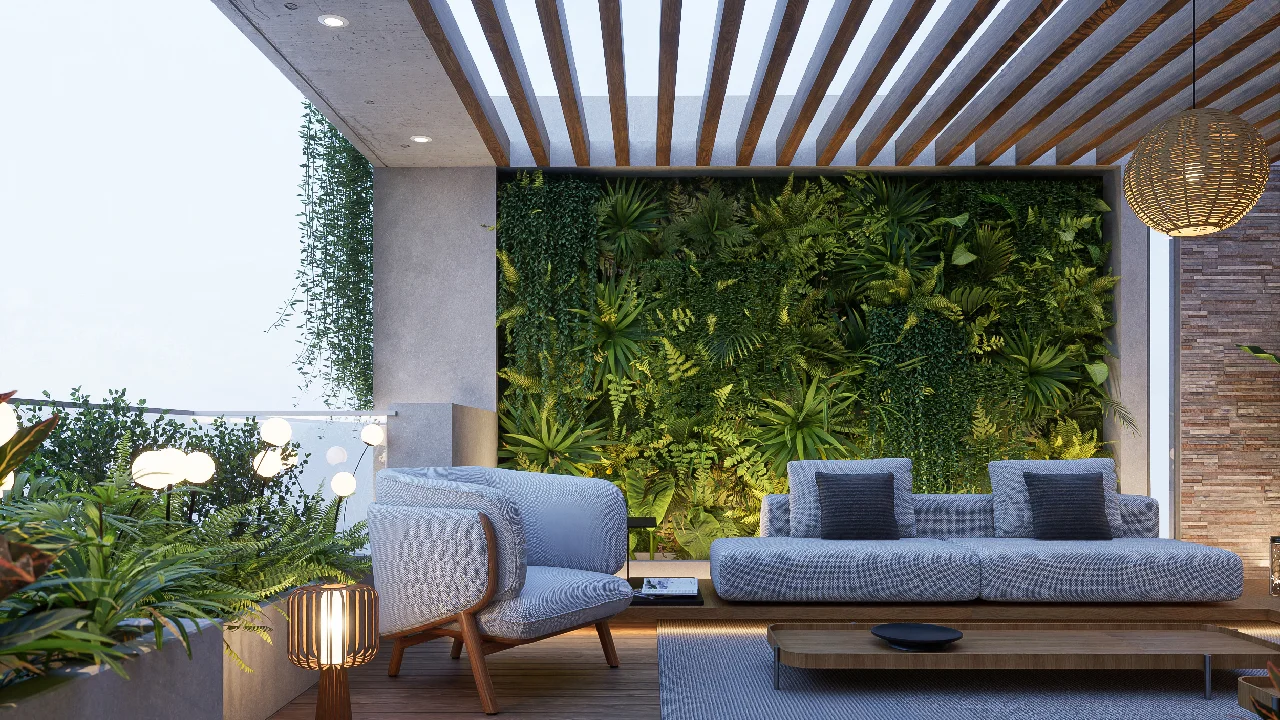
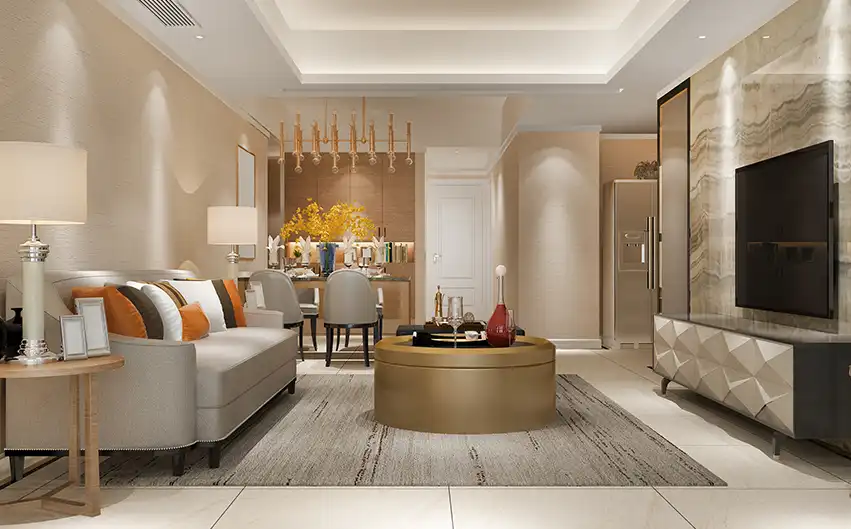
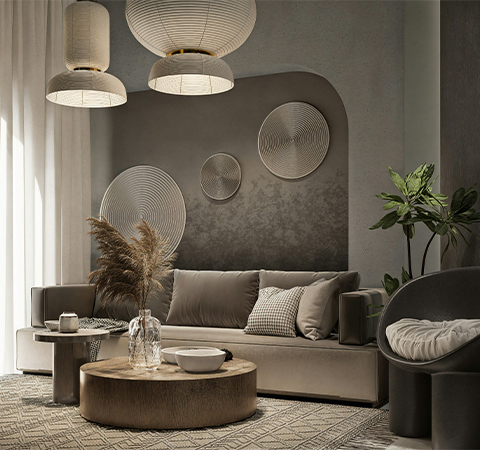
The living room is a good place for a feature wall. You can use room wallpaper behind the sofa or television unit and keep the other walls in a simple paint shade. This gives the room some character without making it look too busy.
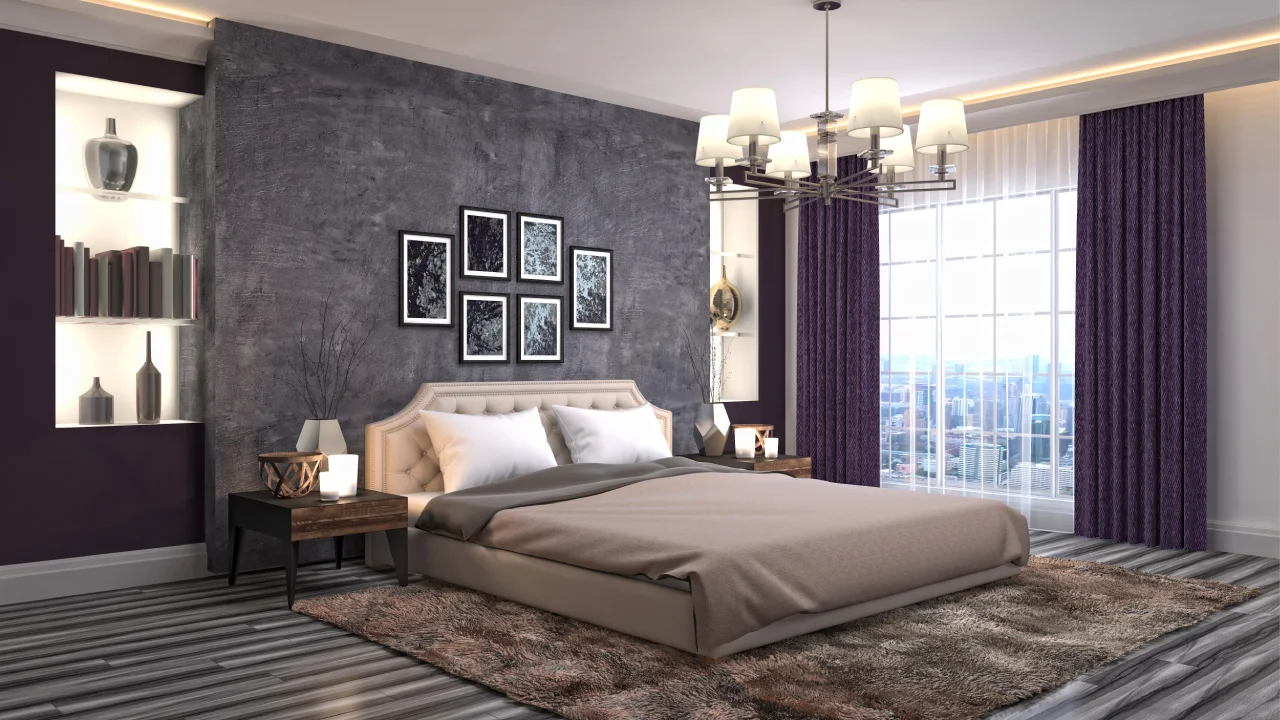
Wallpaper can work particularly well behind the headboard. A soft pattern or textured finish can make the space feel warm and comfortable. If you prefer a clean look, paint in a muted colour is another good choice.
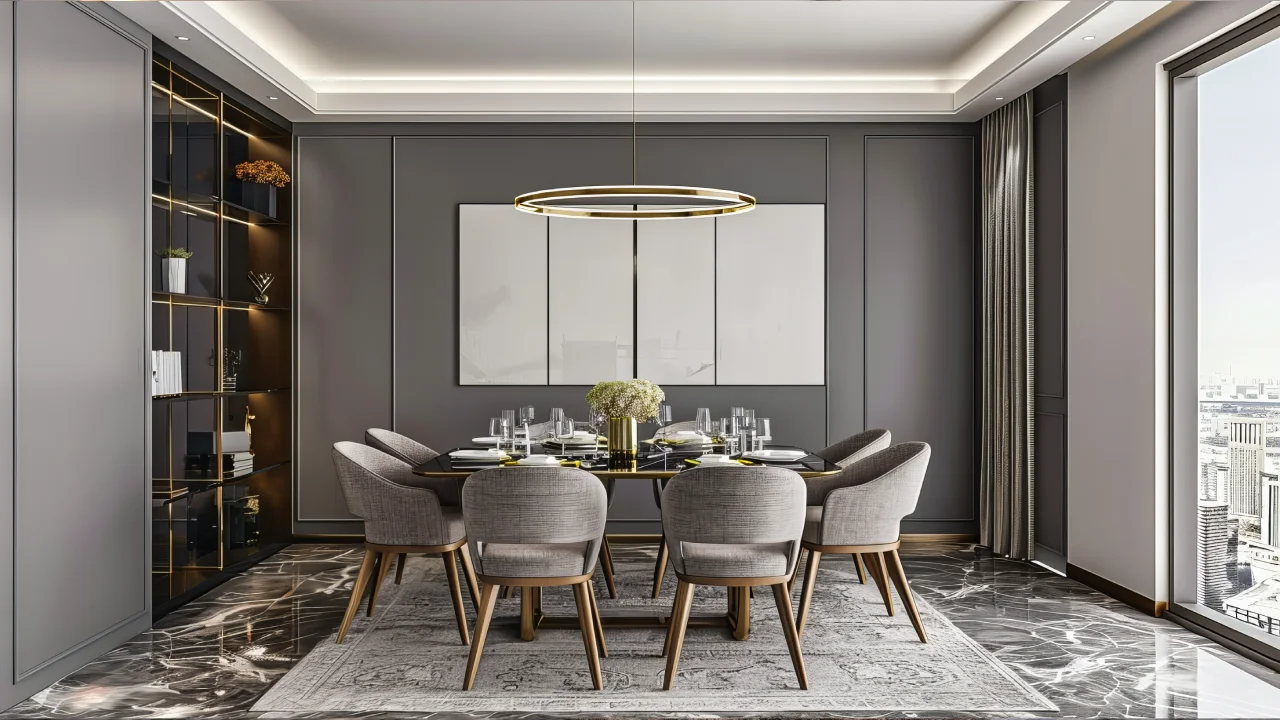
This is where you can experiment a little. A bold wallpaper can make the dining area stand out. A darker paint shade can create a similar effect if you prefer something simpler.
Paint can be practical here because the colour can be changed as the child grows. However, wallpaper with playful designs can make the room more interesting, especially when used on one wall.
Walls, windows and furniture should work together. If you choose a bold wallpaper, you may want to keep the curtains or blinds simple.
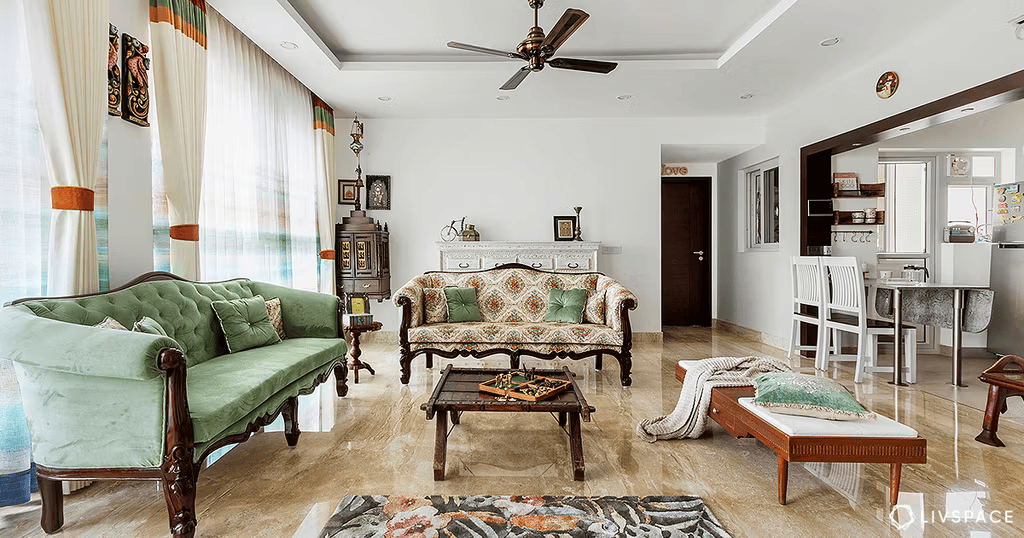
For example, a floral wallpaper can be paired with plain curtains in one of its softer colours. This keeps the room balanced instead of putting too many patterns together.
The opposite approach can work too. If your wallpaper is plain or lightly textured, you can use patterned curtains or blinds to add more interest.
One common mistake is choosing a colour or wallpaper without looking at the room as a whole. A design may look great in a catalogue but feel very different once it is surrounded by your furniture and lighting.
Wall preparation is also important for both paint and wallpaper. Cracks, damp patches and uneven surfaces should be dealt with before the final finish is applied.
Lighting is another thing to consider. Natural daylight can make colours appear different from how they look under artificial lights.
And don’t choose something only because it is trending. Your walls are not likely to change every few months.
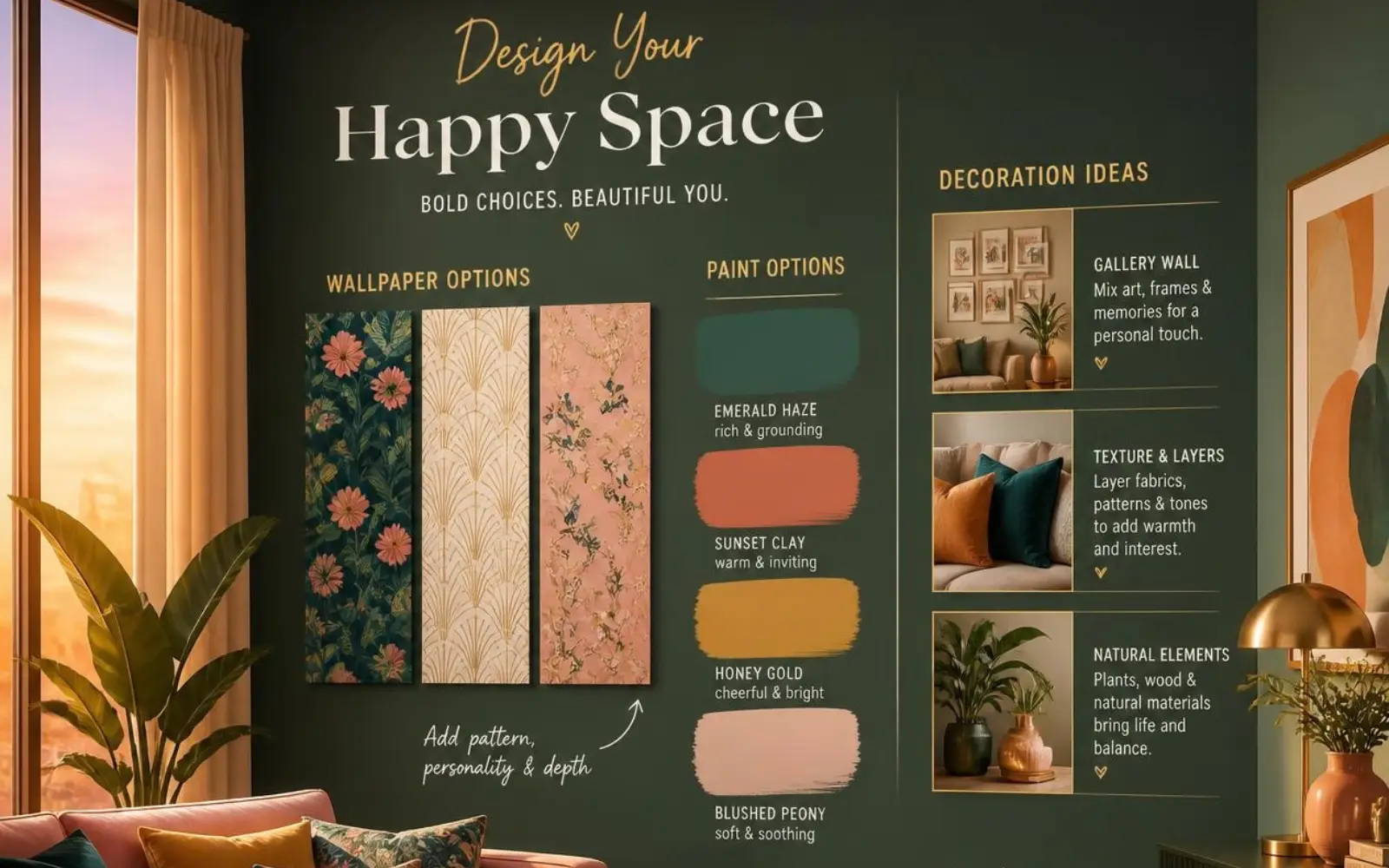
So, room wallpaper or paint?
If you want to give the room more life, wallpaper can be the better choice because of its design possibilities. It can bring in texture, patterns and finishes that paint cannot easily create.
Paint is more suitable if you want something simple and easy to change. It also works well when you already have statement furniture, artwork or other decorative elements in the room.
In the end, the right choice comes down to your home and your personal taste. Think about the room, the amount of use it gets and the look you want. Once you have those things clear, choosing between wallpaper and paint becomes much easier.
The life of room wallpaper depends on its material, installation and the conditions of the room. Good-quality wallpaper can last for several years when it is properly installed and cared for.
Not always. Some wallpaper can be wiped clean, while other types need more careful handling. Paint is generally easier to touch up when a small area gets damaged.
Yes. In fact, this is a common approach. Wallpaper can be used on one feature wall while paint is used on the remaining walls.
Yes. Bedrooms are often a good place for wallpaper, especially behind the bed. Subtle patterns and textures can make the room feel more comfortable and personal.
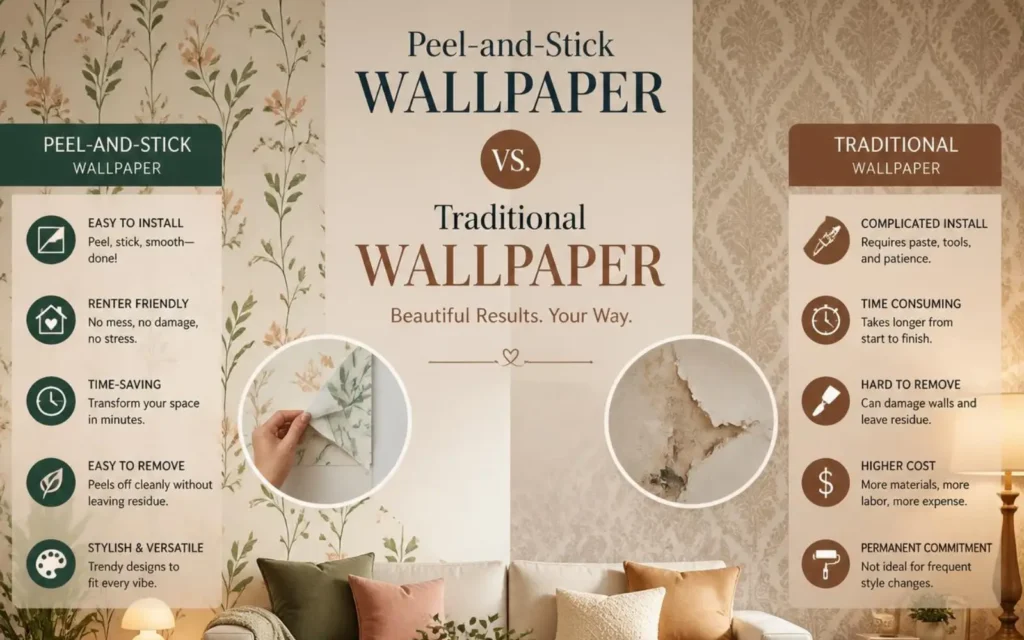
Choosing the right Wallpaper for Walls can completely transform the appearance of a room. From subtle textures and elegant patterns to bold statement designs, wallpaper offers more creative possibilities than paint alone. However, once you have selected a design, another important decision remains: Should you choose peel-and-stick wallpaper or traditional wallpaper?
Both options can create an attractive, finished look, but they differ significantly in installation, maintenance, durability, flexibility, and removal. Peel-and-stick wallpaper uses a self-adhesive backing, while traditional wallpaper generally requires paste or another adhesive during installation.
If you are planning to upgrade your bedroom, living room, office, hallway, or feature wall, understanding these differences can help you select the right Wallpaper for Walls for your requirements.
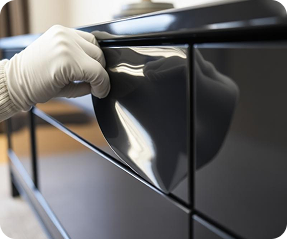
Peel-and-stick wallpaper is a self-adhesive wall covering with an adhesive layer already applied to its back. A protective liner covers the adhesive until installation.
The basic installation process involves:
One of its biggest attractions is convenience. There is no need to separately prepare wallpaper paste, making it particularly appealing for DIY projects and temporary room makeovers.
Traditional wallpaper is installed using a separate adhesive or paste, depending on the specific wallpaper type. Some varieties are pre-pasted, while others require sticky stuff to be applied during installation.
Traditional Wallpaper for Walls can offer a broad range of:
It is generally better suited to long-term projects where homeowners want a durable and professionally finished wall treatment.
| Feature | Peel-and-Stick Wallpaper | Traditional Wallpaper |
| Installation | Relatively easy DIY installation | Requires more preparation |
| Adhesive | Adhesive already attached | Separate paste/adhesive generally required |
| Mess | Minimal | More preparation and cleanup |
| Repositioning | Often possible during installation | More difficult once adhesive is applied |
| Removal | Generally easier | Usually more time-consuming |
| Durability | Depends heavily on product and wall conditions | Generally suited to longer-term use |
| Design options | Wide and continually expanding | Very extensive |
| Best for | Accent walls, rentals and quick updates | Long-term residential and commercial applications |
| Skill requirement | Beginner-friendly | Moderate to professional |
| Wall preparation | Very important | Very important |
The biggest advantage of peel-and-stick wallpaper is its straightforward installation process. Since adhesive is already incorporated into the product, homeowners can avoid handling separate wallpaper paste.
This makes it attractive for:
However, “easy to install” does not mean that wall preparation can be skipped. The surface should generally be clean, smooth, dry, and suitable for the manufacturer’s adhesive. Poor preparation can contribute to bubbles, lifting edges, or adhesion problems.
If you enjoy changing your interior style regularly, peel-and-stick wallpaper for walls provides greater flexibility.
It can be particularly useful for renters, children’s rooms, home offices, or feature walls where you may want to change the appearance later.
Traditional wallpaper installation can involve paste, brushes, rollers, water, and additional preparation. Peel-and-stick wallpaper eliminates the need for separately applying wallpaper paste, making the installation process cleaner.
Removability is one of the main reasons consumers choose peel-and-stick wallpaper. Properly installed products can generally be removed more easily than many traditional wallpaper installations.
However, results can depend on the wallpaper, adhesive, paint condition, wall preparation, and removal technique. It is always advisable to test a small area before committing to an entire wall.
Peel-and-stick wallpaper for walls generally performs best on smooth, clean surfaces. Textured walls can make it harder for the adhesive to maintain consistent contact with the surface.
Before installation, repair cracks, holes, loose paint, and significant surface imperfections.
Humidity and environmental conditions can influence adhesive performance. For areas exposed to considerable moisture, always check the manufacturer’s recommendations before installation.
Bathrooms, kitchens, laundry areas, and poorly ventilated rooms require particular attention.
The lifespan of peel-and-stick wallpaper for walls varies considerably depending on the product, wall preparation, room conditions, and installation quality. It should not automatically be assumed that every peel-and-stick product will provide the same longevity as a high-quality traditional wallcovering.
For homeowners looking for a long-term interior finish, traditional wallpaper can be a strong choice. Proper installation and suitable wall preparation can provide a durable decorative surface.
Traditional wallpaper has a particularly broad range of patterns, textures, materials, and finishes. If you want a highly specific decorative effect, traditional wallpaper may provide more options.
Traditional wallpaper can be a practical choice when covering several rooms or creating a more permanent interior design scheme.
For large projects, professional installation can also help achieve accurate pattern alignment and a clean finish.
Traditional wallpaper generally involves more steps and tools than peel-and-stick Wallpaper for Walls. Depending on the material, installation may require adhesive, smoothing tools, cutting tools, and careful pattern alignment.
Traditional wallpaper is designed for more permanent installation, so removing it can require more time and effort. The difficulty depends on the wallpaper type, adhesive, wall preparation, and installation method.
While experienced DIY users can install traditional wallpaper, professional installation can be worthwhile for large rooms, intricate patterns, expensive wallpaper, or difficult walls.
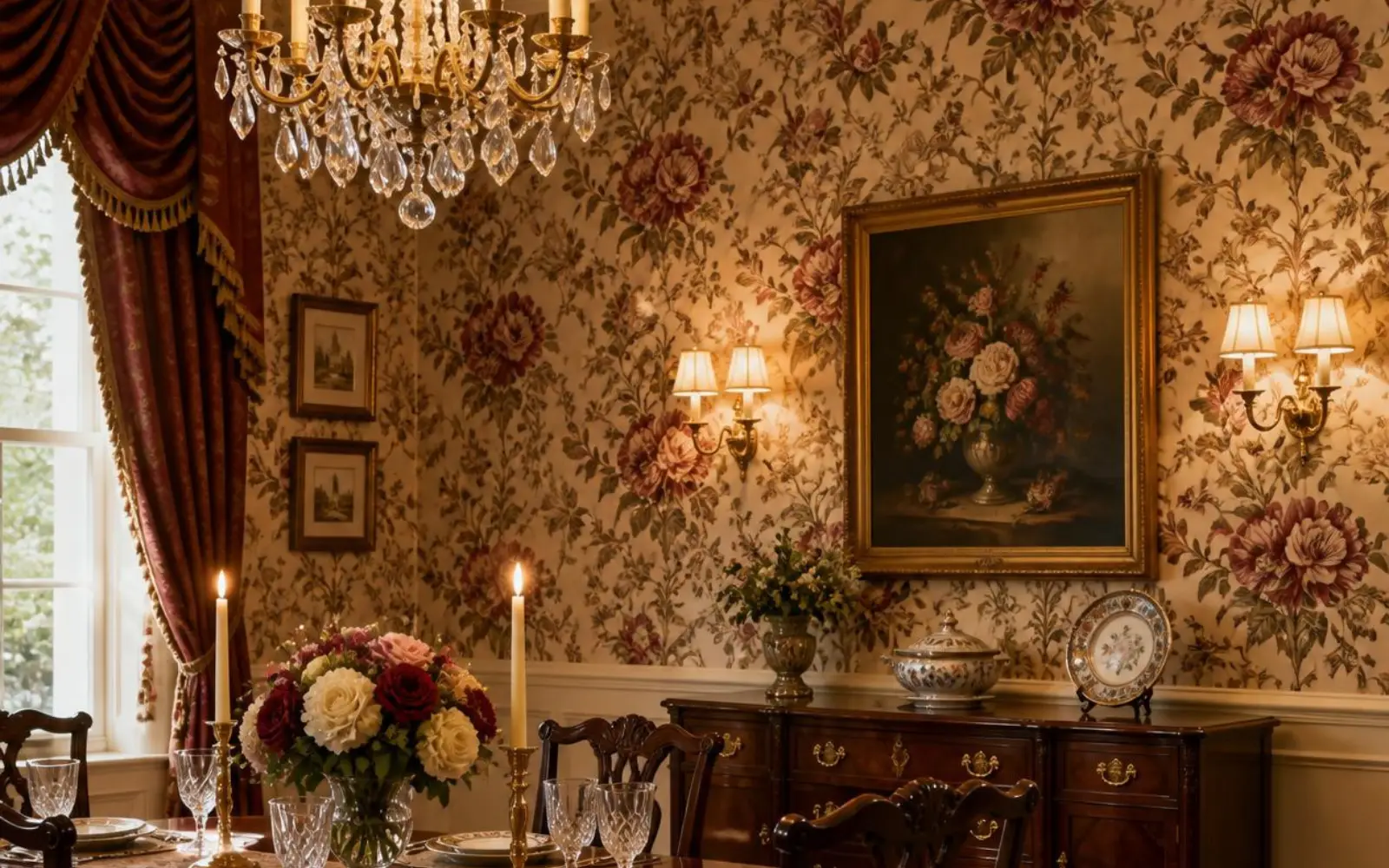
There is no universal winner. The best choice depends on your room, budget, wall condition, desired lifespan, and willingness to handle installation.
Before purchasing, consider these factors:
Both peel-and-stick and traditional wallpaper for walls can be excellent choices when matched to the right application.
Peel-and-stick wallpaper stands out for convenience, flexibility, DIY installation, and easier removal. It can be an excellent solution for accent walls and temporary or frequently changing interiors.
Traditional wallpaper is better suited to customers prioritising a long-term finish, extensive design possibilities, and professional-quality installation.
Ultimately, the best Wallpaper for Walls is not simply the one with the easiest installation. It is the option that matches your wall condition, room environment, design requirements, budget, and expected lifespan.
Before installation, always follow the wallpaper manufacturer’s recommendations for wall preparation, adhesive compatibility, application, cleaning, and removal. This can make a significant difference to the final appearance and performance of your wallpaper.
Spend a few afternoons in newly built apartments and you’ll notice a pattern: windows keep getting bigger. Floor-to-ceiling glass, four- and five-metre spans, and double-height living rooms. They look fantastic on handover day. What nobody mentions is that dressing a window like that usually means heavy fabric on a long track, and dragging 15 kilos of lined blackout curtain across a rail, twice a day, every day, gets old quickly.
That’s the real argument for a curtain motor. Not technology for its own sake, and not some luxury add-on reserved for hotel suites. It’s simply a better way to live with the windows you already have. Paired with well-chosen curtains for windows that actually suit the room, motorisation solves a daily friction most people have quietly put up with for years.
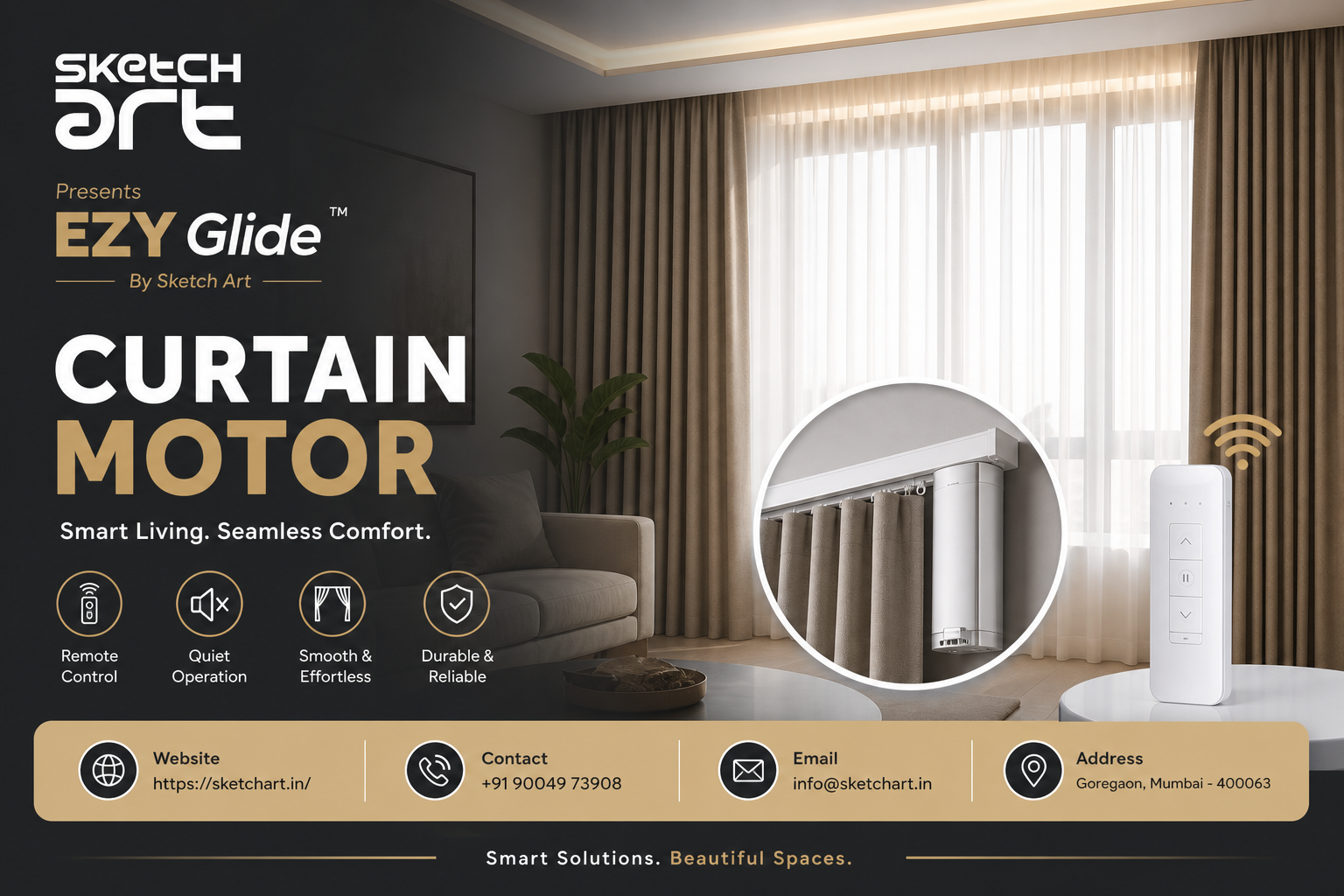
Strip away the marketing and it’s a straightforward piece of engineering: a compact electric drive unit, usually tucked at one end of the curtain track, that pulls a carrier belt or cord to move the fabric along the rail. The curtains glide open or closed; you don’t touch them.
How you trigger that movement depends on the system. Most setups offer a handheld remote as standard, and from there the options widen: a wall switch near the door, a smartphone app, or integration into a smart-home setup so the curtains respond to schedules or voice commands. Some of the better motors also include a touch-trigger feature: give the fabric a gentle pull and the motor takes over and completes the motion. It sounds like a small thing until the first time a guest does it instinctively and the curtain just… obliges.
One detail worth asking about before you buy is manual override. If the power cuts, can you still draw the curtains by hand without forcing the mechanism? On a decent motor, yes. On a cheap one, not always.
The reasons people give for motorising tend to be practical, not flashy.
Weight: Heavy curtains are the obvious one. Velvet, triple-lined blackout, and interlined drapes—these fabrics look and perform beautifully, but they’re genuinely awkward to move by hand, and the constant tugging wears pleats out of shape over time.
Scale: Wide windows and sliding glass doors need long tracks and a lot of fabric. A motor rated for the load moves the whole span evenly, in one motion, instead of the hand-over-hand shuffle most of us do.
Awkward placement: Windows behind sofas, above stairwells, high on double-height walls — every home seems to have at least one window you have to lean, stretch, or climb to reach. Motorisation removes that negotiation entirely.
Light on your schedule: There’s a genuine quality-of-life difference in having curtains that close themselves at dusk and open gradually in the morning. It sounds indulgent. People who have it describe it as obvious.
A tidier window: No cords hanging, no wand, no uneven bunching where the fabric was last grabbed. The curtain hangs the way it was dressed on installation day, which, incidentally, is also why cordless motorised tracks are the safer option in homes with young children or pets.
Here’s a mistake worth avoiding: picking the motor before you’ve settled on the curtains. The fabric determines almost everything about the hardware, so the sequence matters.
A few things to work through:
Measure properly, then add for stack-back. When curtains open, the gathered fabric has to sit somewhere. That stack typically eats 15–20% of the track length. If you don’t allow for it, your “open” curtains will permanently cover part of the glass — on a window you presumably wanted light from.
Know your fabric weight. Sheers might come in under 8 kg on a standard window. A full-width, floor-length blackout with lining can easily double or triple that. Get an actual number, because it dictates the motor’s torque rating — and always leave headroom above what you calculate.
Match the fabric to the room’s job. Bedrooms usually want true blackout (the good stuff blocks 90%+ of light). Living rooms often do better with sheers for daytime and a heavier drape for evening — a dual-track setup handles both independently. Home offices need glare control more than darkness.
Think about the heading style. If you’re motorising, ripple-fold (S-fold) curtains deserve a look. The continuous wave pleats glide along a powered track with very little resistance, stack back compactly, and fall identically every time with no manual rearranging after each use. Pinch pleats work too, but ripple fold behaves as though it were designed for motors, because functionally it was.
Decide the opening direction. Centre-opening, one-way draw, or a configuration matched to an unusual window layout—this affects both the track and where the motor sits.
Almost anywhere, honestly, but they earn their keep fastest in certain spots. Living rooms with large glazed openings. Master bedrooms, especially on a morning schedule. Home theatres, for obvious reasons. Any window you interact with multiple times a day.
Beyond homes, the same logic applies to offices, hotel rooms, meeting spaces, restaurants, and showrooms, anywhere staff would otherwise spend time walking room to room adjusting coverings or where consistent presentation matters.
That said, plenty of windows don’t need a motor at all, and it’s worth saying so plainly: a small, lightweight curtain that rarely gets moved is fine on a manual track. Motorisation pays off as size, weight, frequency of use, or awkwardness of access increases.
A few practical questions will save you from the most common installation regrets:
1. What’s the real load?
Curtain weight plus track length determines the motor rating. Guess low here, and you’ll hear the strain within months.
2. Where’s the power?
Battery motors retrofit cleanly with no wiring and need recharging only a few times a year. Hardwired motors are stronger and maintenance-free, but they want a concealed power point—easiest to plan during a renovation, painful to add after painting.
3. How do you want to control it?
A simple remote is enough for a guest room. A bedroom you’ll live in daily probably justifies app control and scheduling. Decide before purchase, because retrofitting smart capability isn’t always clean.
4. What’s it mounting to?
Track, motor, and fabric add up. The ceiling or wall needs to carry the combined load, and the track needs to sit dead level, even a couple of millimetres of tilt shows up as uneven travel.
5. Is the track up to the job?
A quality motor on a flimsy track still rattles. The track is the foundation of the whole system, and it’s the part people most often cheap out on.
This is also where professional measurement earns its fee. Most motorised-curtain complaints — jerky movement, a motor straining, curtains that don’t quite meet in the middle — trace back to measurement or specification errors made before anything was installed.
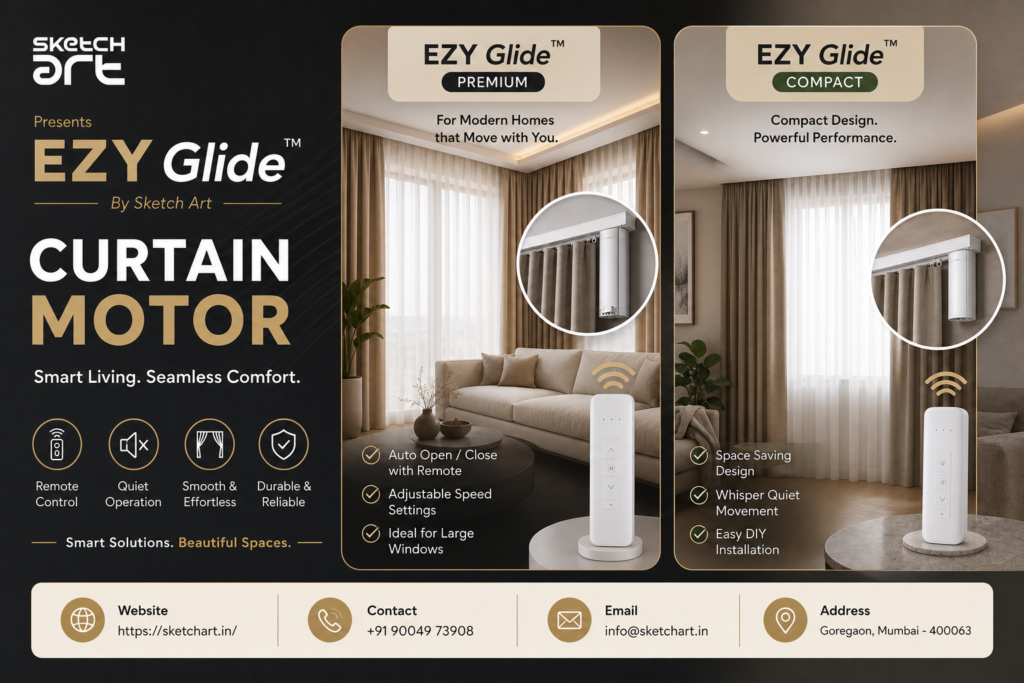
EZY Glide, the window solution brand owned by Sketch Art, brings solutions. Sketch Art brings the design background fabric selection, styling, and understanding of how a window treatment actually sits within an interior, while EZY Glide handles the engineering: motor selection, track configuration, and integration with whatever smart setup you already run.
That combination matters more than it might seem. A motorised curtain really involves four decisions — fabric, track, motor, and control that have to be made together. Get one wrong and the other three can’t compensate. Getting them specified as a single system, rather than assembled from separate purchases, is usually the difference between a setup that’s still running quietly in year eight and one that’s being replaced in year three.
For the right windows, yes, and the “right windows” test is simple. If the curtains are heavy, the span is wide, the window is hard to reach, or you’re opening and closing them every single day, a curtain motor stops being a gadget and starts being the sensible option. If none of those apply, save the money.
The one warning worth repeating: choose the system around the window, not the other way around. Specifications on a product page tell you what a motor can do. Your window, your fabric, and your room tell you what it should do. Those are different conversations, and the second one is where a good supplier spends their time.
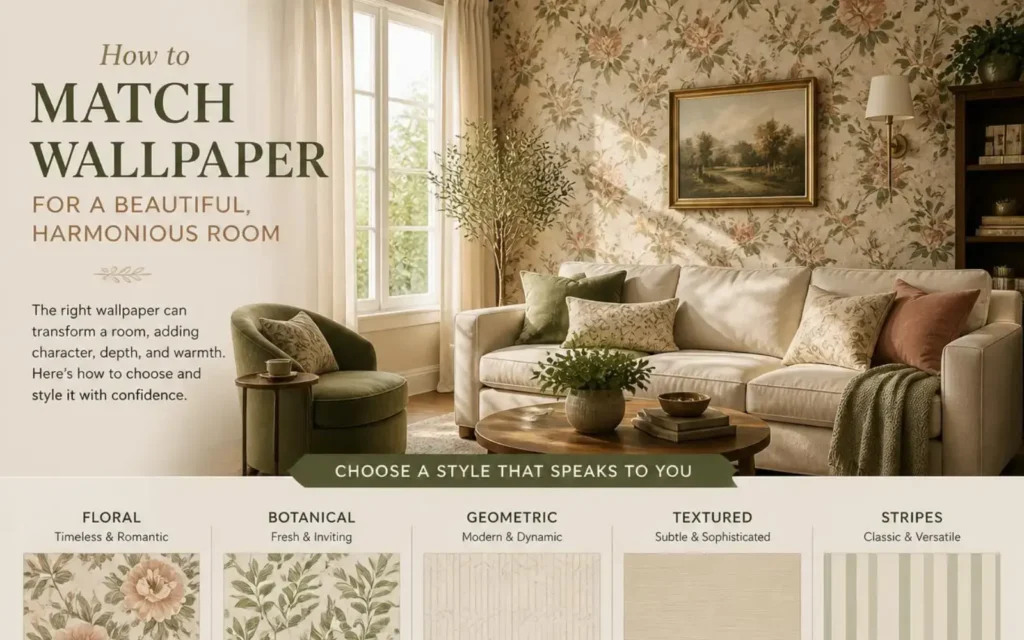
Choosing the right room wallpaper can completely transform the appearance of your home. However, wallpaper does not work independently. Its colour, pattern and texture interact with your furniture, curtains, flooring, lighting and other decorative elements.
The goal is not to make every element look identical. Instead, a well-designed room should have a sense of visual connection and balance. Current interior-design guidance increasingly focuses on coordinating colours, textures and patterns rather than creating perfectly matched sets.
At Ezy Glide, we believe great interiors come from thoughtful coordination, not guesswork. Whether you are decorating a living room, bedroom, dining area or home office, the right combination of room wallpaper, furniture and curtains can create a sophisticated and comfortable environment.
It is advisable to avoid selecting room wallpaper, furniture, and curtains independently based solely on individual appeal. Instead, it is important to consider the room as a cohesive entity, as it is perceived holistically rather than through isolated elements. Poor coordination can make a room feel:
Getting the coordination right, on the other hand, creates a space that feels calm and intentional and is considered a hallmark of good interior design.
Before selecting room wallpaper, decide which element will “lead” the room’s design. This is usually the piece that’s hardest or most expensive to change.
If you already have furniture: Let your sofa, rug, or statement furniture piece guide your wallpaper and curtain choices.
If you’re starting from scratch: Wallpaper can act as the main focus, with furniture and curtains selected to complement it.
Having one clear anchor prevents the common mistake of every element competing for attention.
Colour coordination is the single most important factor in making wallpaper, furniture, and curtains feel like they belong together.
A simple, designer-favoured approach to balancing colour in a room:
| Proportion | Role | Example |
| 60% | Dominant colour | Wallpaper or wall colour |
| 30% | Secondary colour | Furniture (sofa, curtains) |
| 10% | Accent colour | Cushions, art, décor accessories |
Using this ratio prevents any single colour from overwhelming the room while still creating visual interest.
Colours with mismatched undertones (warm vs. cool) can clash even if they seem similar at first glance.
Try to keep room wallpaper, furniture, and curtains within the same undertone family for a naturally harmonious look.
If your room wallpaper features a pattern, your furniture and curtains generally shouldn’t compete with equally busy patterns.
| Wallpaper Style | Furniture & Curtain Approach |
| Bold, large-scale pattern | Solid or subtly textured furniture and curtains |
| Small-scale or subtle pattern | Can be paired with light patterned textiles |
| Textured, plain wallpaper | More freedom to introduce patterned curtains or furniture |
| Striped or geometric wallpaper | Best paired with solid, softly textured fabrics to avoid visual clutter |
A good rule of thumb: if the room wallpaper is the “loud” element in the room, let curtains and upholstery stay quieter and vice versa.
Curtains are one of the largest fabric surfaces in a room, so they play a major role in tying room wallpaper and furniture together.
While matching aesthetics is important, curtains also need to perform well in the space. This is where practical upgrades, like a curtain motor, become worth considering, especially in rooms with statement wallpaper you want to keep looking its best.
Benefits of pairing your curtain setup with a curtain motor include:
If you’re investing in a beautifully coordinated room, protecting that investment with smart, functional curtain solutions is a natural next step.
Before finalising your wallpaper, furniture, and curtain choices, always test them together in the actual room.
Small samples can look different at full scale, so where possible, view larger swatches or sample boards before committing to full rolls or yardage.
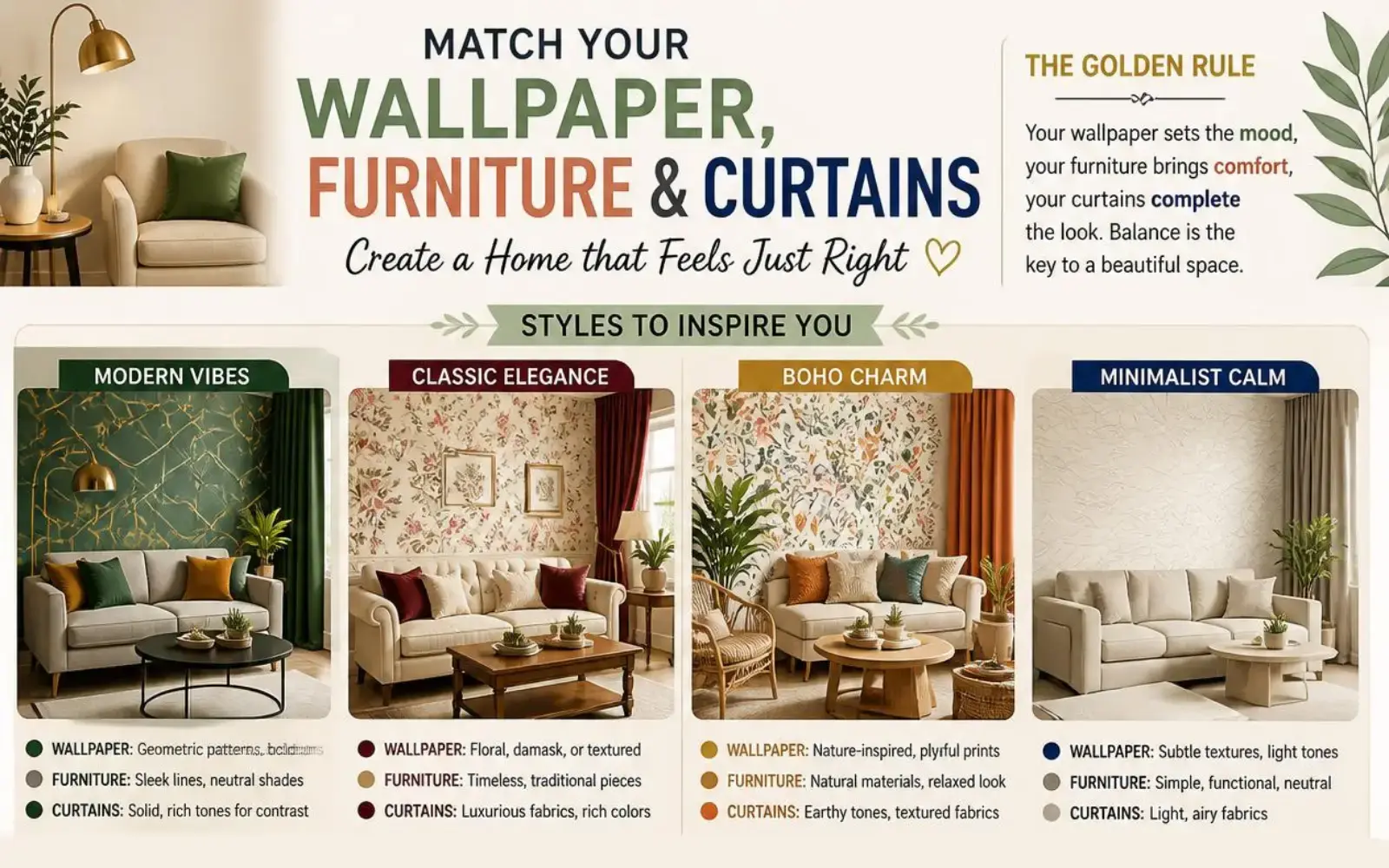
Matching room wallpaper with your furniture and curtains isn’t about finding an exact match, it’s about creating balance through colour, pattern, texture, and function. By choosing an anchor piece, coordinating undertones, and thoughtfully layering pattern and texture, you can create a room that feels cohesive and intentional rather than accidental.
At Sketch Art, we help you bring every element of your room together, from curtain fabrics to smart curtain motor solutions that protect your design investment and simplify everyday living. Explore our range to find the finishing touches your space deserves.